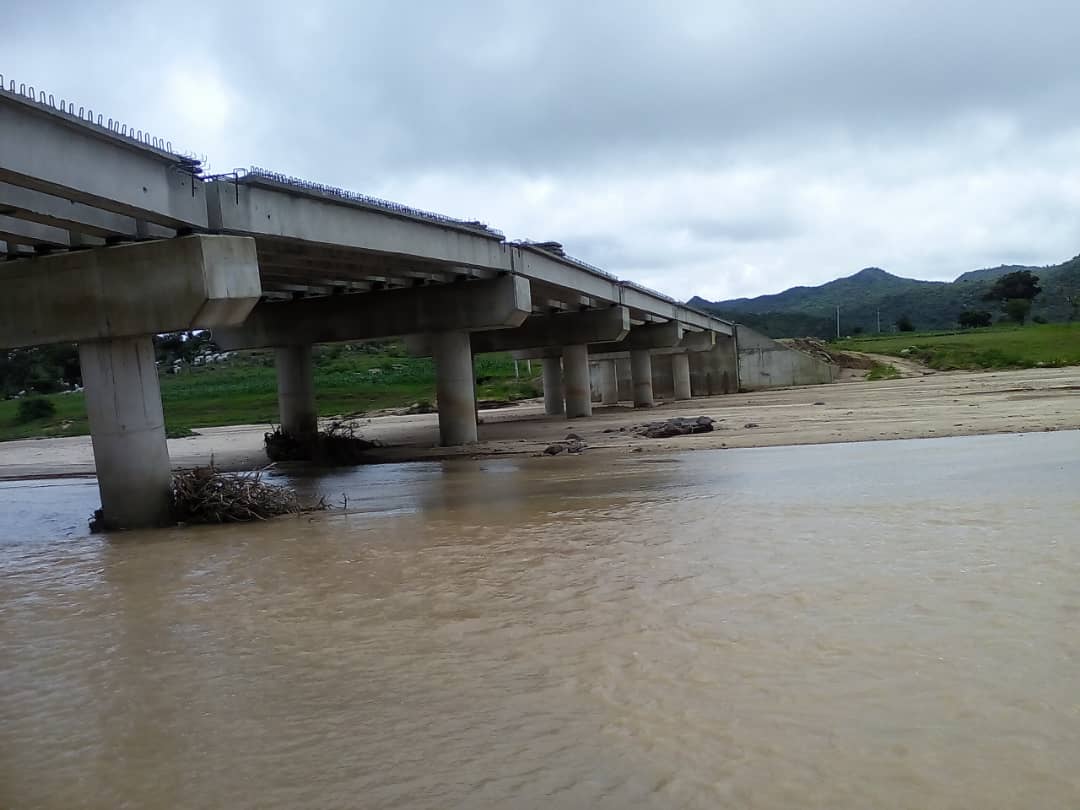
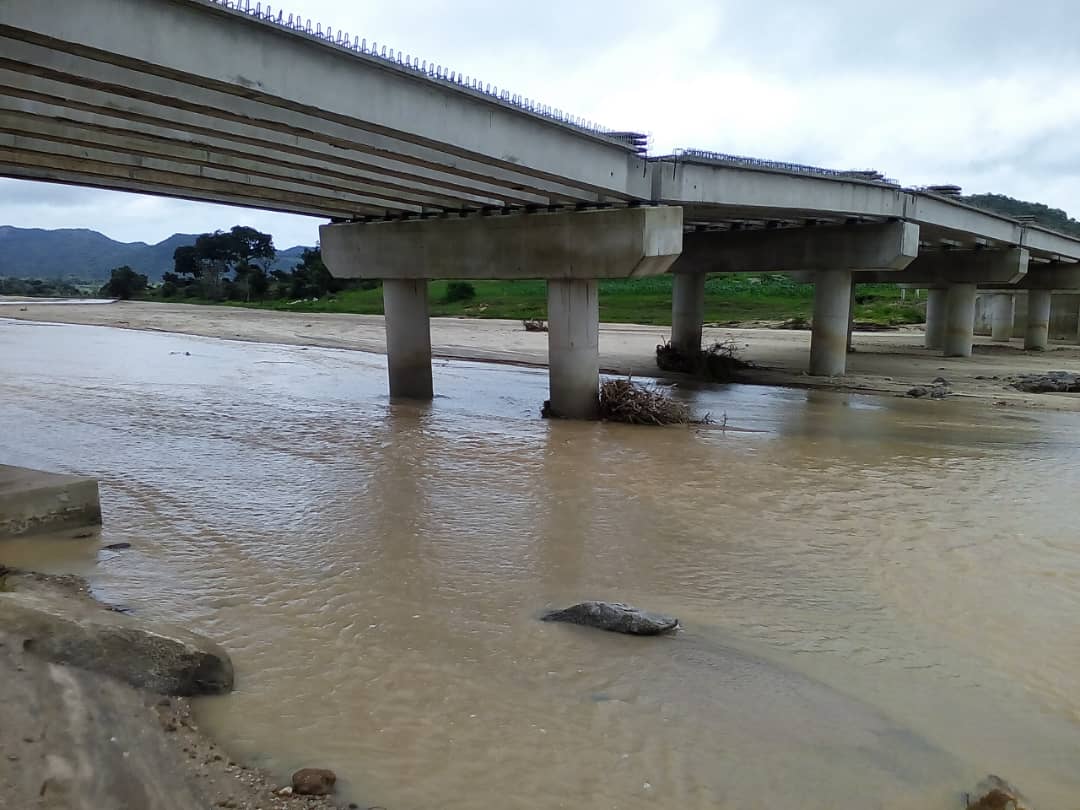
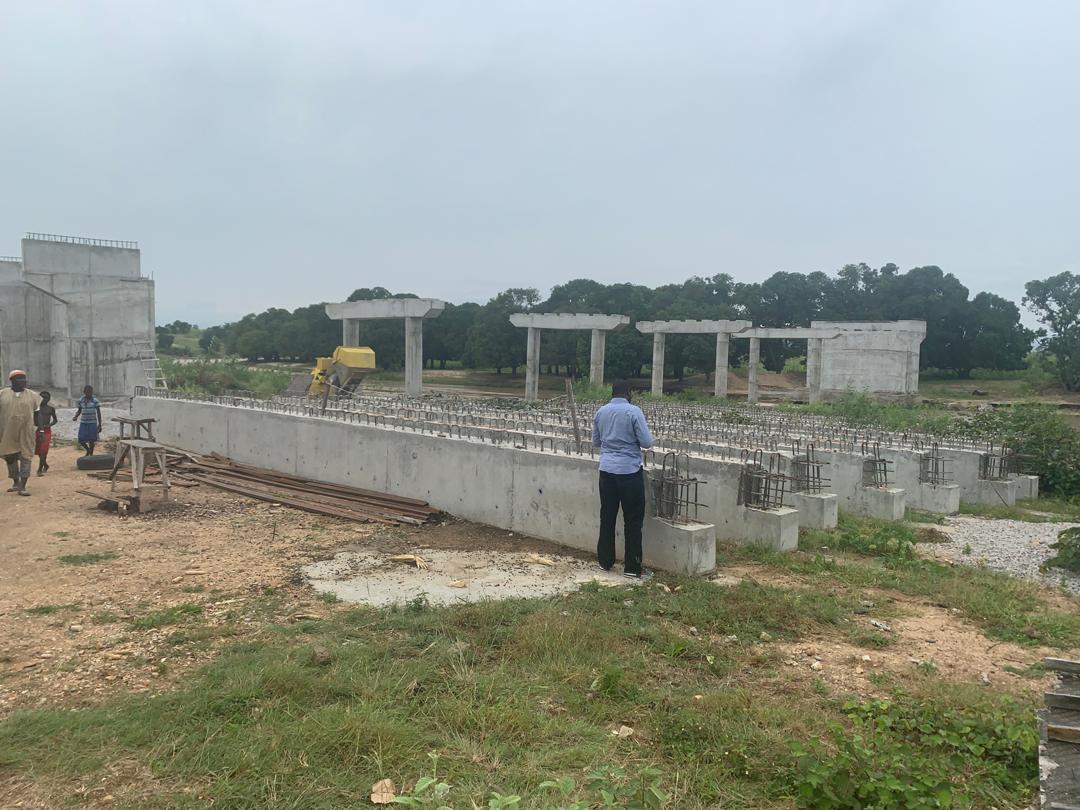
The construction of the ultra-modern pedestrian bridge was executed through a systematic, five-phase methodology designed to ensure structural integrity, minimize public disruption, and deliver a high-quality asset.
1. Mobilization and Demolition
The project commenced with site setup and the implementation of a traffic management plan to ensure safety on the busy Aba-Owerri road. The first physical task was the controlled demolition of the existing defective bridge, followed by the removal of debris to prepare a clean slate for the new structure.
2. Substructure Construction
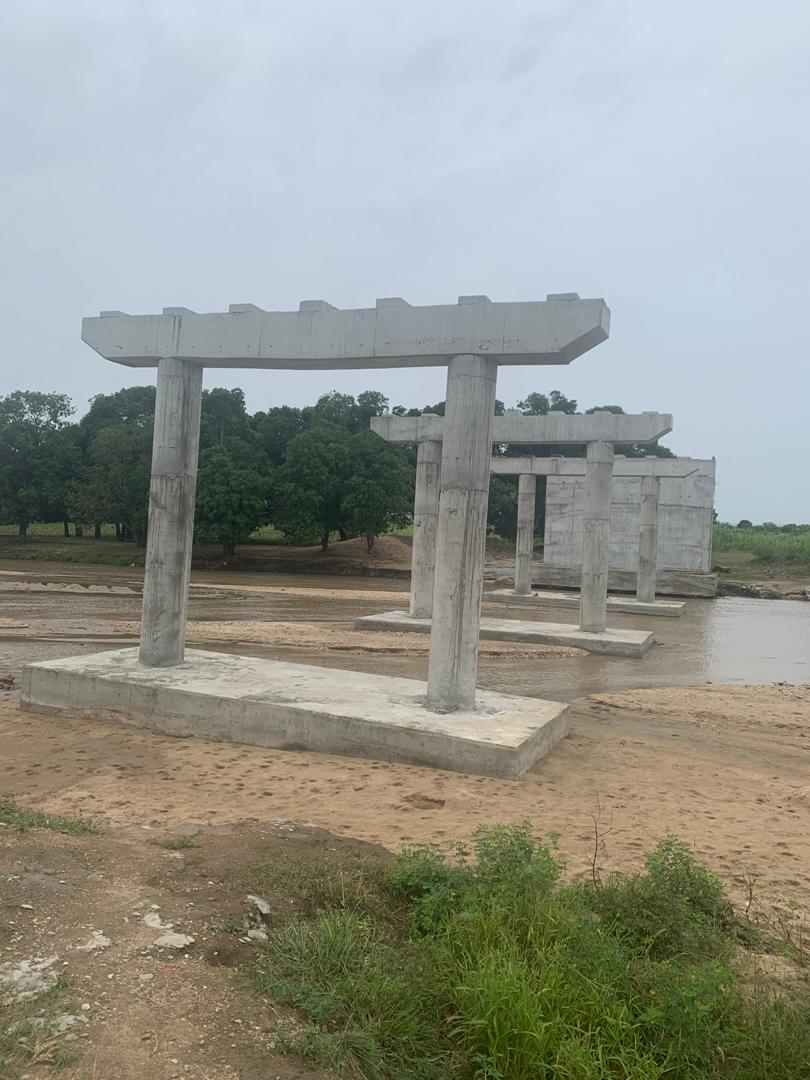
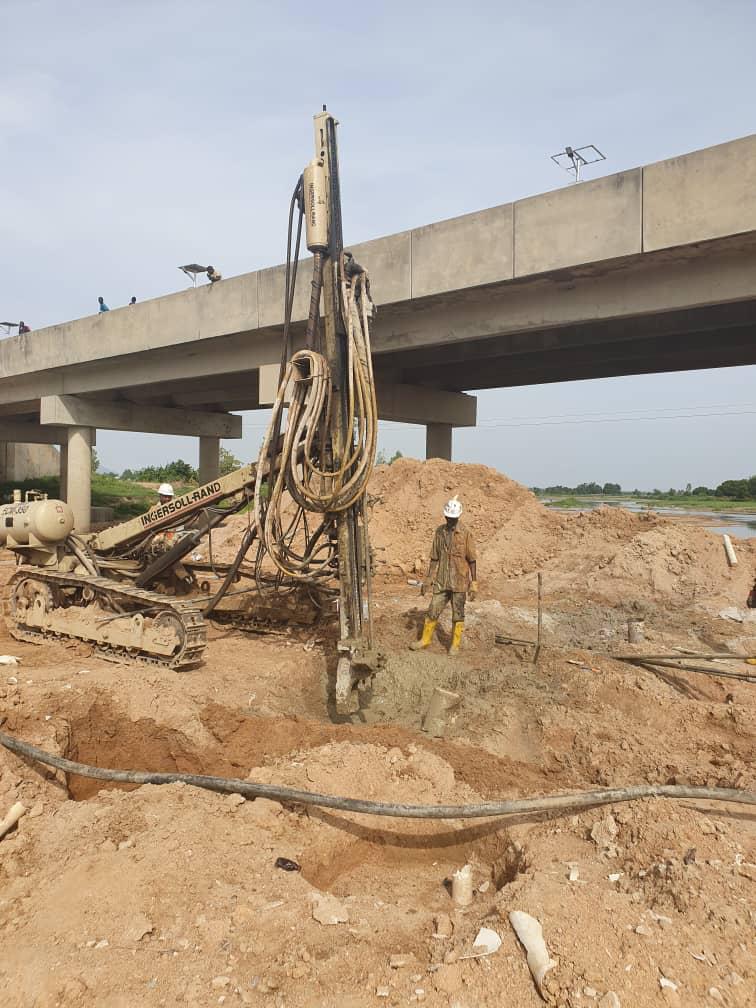
Heavy civil engineering works began with deep excavation for the new foundations. Depending on soil conditions, bored pile foundations were installed to reach stable ground. High-grade steel reinforcement was then fixed, and concrete was poured into formworks to create the bridge’s abutments and piers, which were then cured to achieve required strength.
3. Superstructure Erection
To maintain quality and speed, major components like girders and deck slabs were prefabricated off-site. These segments were transported and erected using heavy cranes or a launching method, allowing the main span to be placed over the road with minimal prolonged traffic disruption. The structure was then secured and made monolithic through techniques like post-tensioning.
4. Deck Finishing and Installation
Once the main frame was in place, the focus shifted to usability. Crews installed safety handrails and parapets, applied a waterproofing membrane, and paved the walking surface. Approach slabs were constructed to seamlessly connect the bridge to the existing pedestrian walkways.
5. Final Works and Handover
The final phase involved the installation of architectural lighting, comprehensive site clean-up, and demobilization of equipment. The bridge underwent rigorous safety inspections and load testing before being officially handed over to the Abia State polytechnic for public use.