The construction of the residential building was executed through a structured, sequential methodology to ensure quality, durability, and adherence to design specifications and safety standards.
1. Site Clearance and Earthworks
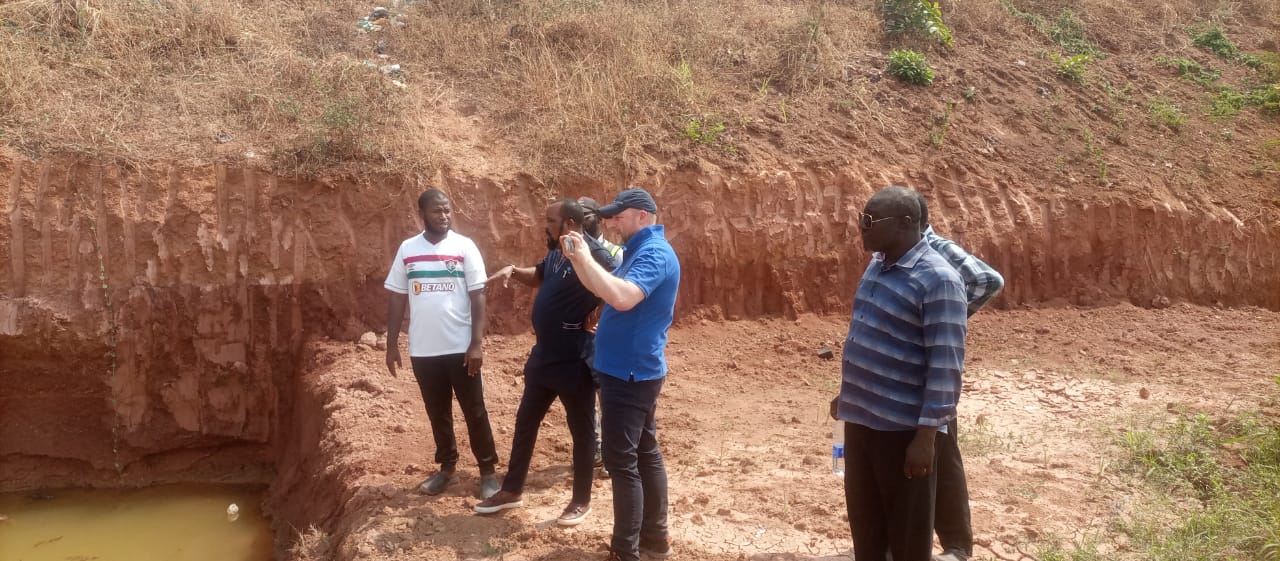
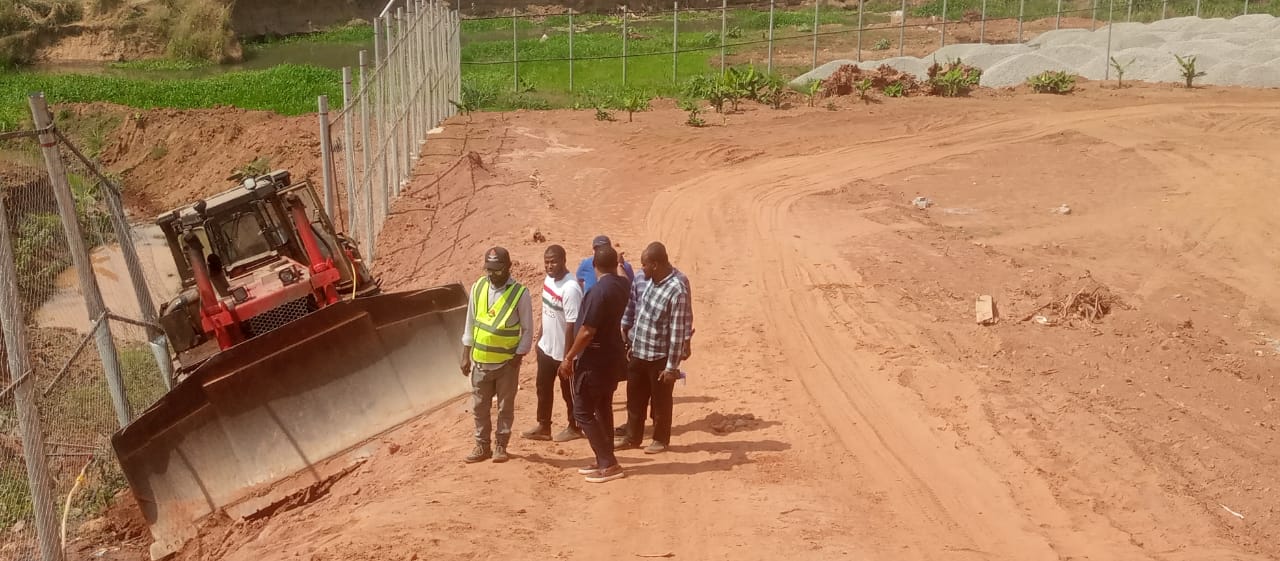
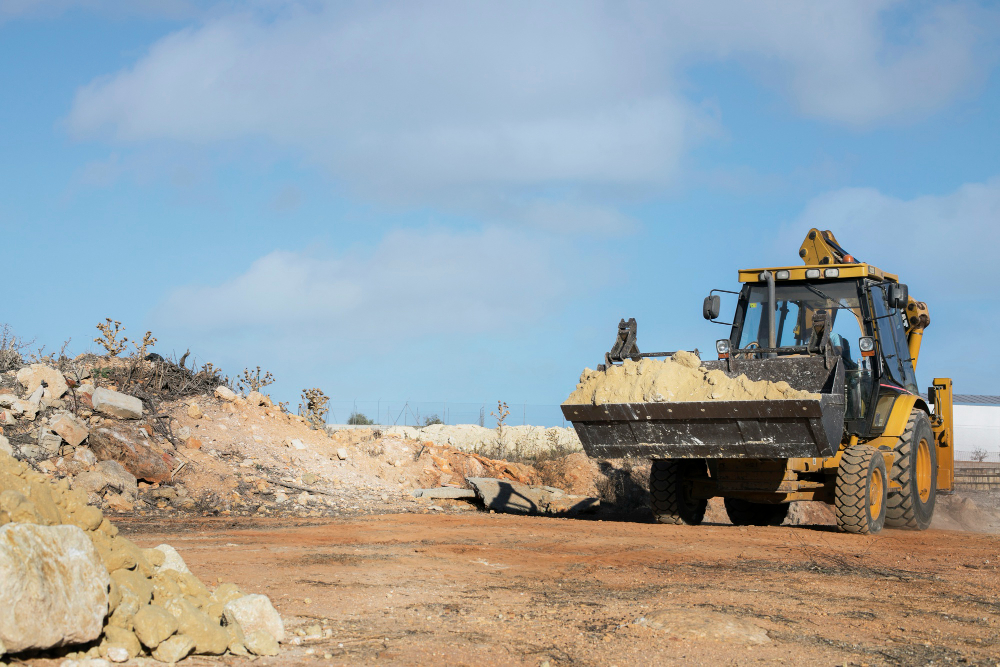
The project began with surveying and clearing the vegetation and topsoil. This was followed by excavation to achieve the required foundation levels. For sites requiring significant grade changes, cut-and-fill operations were performed to create a level building platform.
2. Foundation and Substructure
Based on the soil report, trenches were excavated for the strip foundations or pads. A lean concrete (blinding) layer was poured to provide a clean, level surface. High-tensile steel reinforcement was laid according to the structural drawings, followed by the pouring of the ground beam and foundation slab. Waterproofing membranes were applied to prevent rising damp.
3. Superstructure (Load-Bearing Walls and Framing)
With the foundation cured, the construction of the superstructure commenced. This involved:
Blockwork/Brickwork: Laying of sandcrete blocks or clay bricks for the walls, with door and window openings left as specified.
Reinforced Concrete Columns and Beams: Casting of vertical columns and horizontal ring beams to support the roof and provide structural integrity against lateral forces.
Staircase Construction: Formwork and casting of the reinforced concrete staircase (or installation of a pre-fabricated metal/wooden staircase).
4. Roofing Installation
Once the walls achieved sufficient height, the roof structure was erected. This involved:
Fixing of the roof trusses (timber or metal).
Installation of the roof covering (e.g., long-span aluminum roofing sheets, clay tiles, or stone-coated tiles).
Application of waterproofing and flashing details at valleys and junctions to prevent leaks.
5. Mechanical, Electrical, and Plumbing (MEP) Rough-In
Concurrently with the structure, the first fix of services was installed. This included:
Embedding conduits and wiring for electrical points within the walls.
Laying plumbing pipes (water supply and drainage) within the floor slabs and walls before plastering.
Installing AC ducting or gas piping where specified.
6. Finishing Works
This phase transformed the structure into a home. Key activities included:
Internal and External Plastering: Rendering all wall surfaces smooth.
Flooring and Tiling: Laying of floor tiles, marble, or wooden flooring in all rooms and laying wall tiles in wet areas (kitchen and bathrooms).
Joinery and Fittings: Installation of doors, window frames (aluminum or UPVC), kitchen cabinets, and wardrobes.
Painting: Applying primer and emulsion paints to walls and gloss paint to metalwork and woodwork.
7. External Works
The focus then shifted outside the main building:
Construction of the compound drainage system to channel rainwater away.
Landscaping, gardening, and planting of lawns.
Paving of driveways, walkways, and parking areas with interlocking stones or concrete.
Installation of perimeter fencing and the main gate.
8. Final Inspection and Handover
The project concluded with a comprehensive final inspection to ensure all works met the design and quality standards. Any defects (snags) were rectified, the property was deep-cleaned, and all keys and manuals were formally handed over to the client.